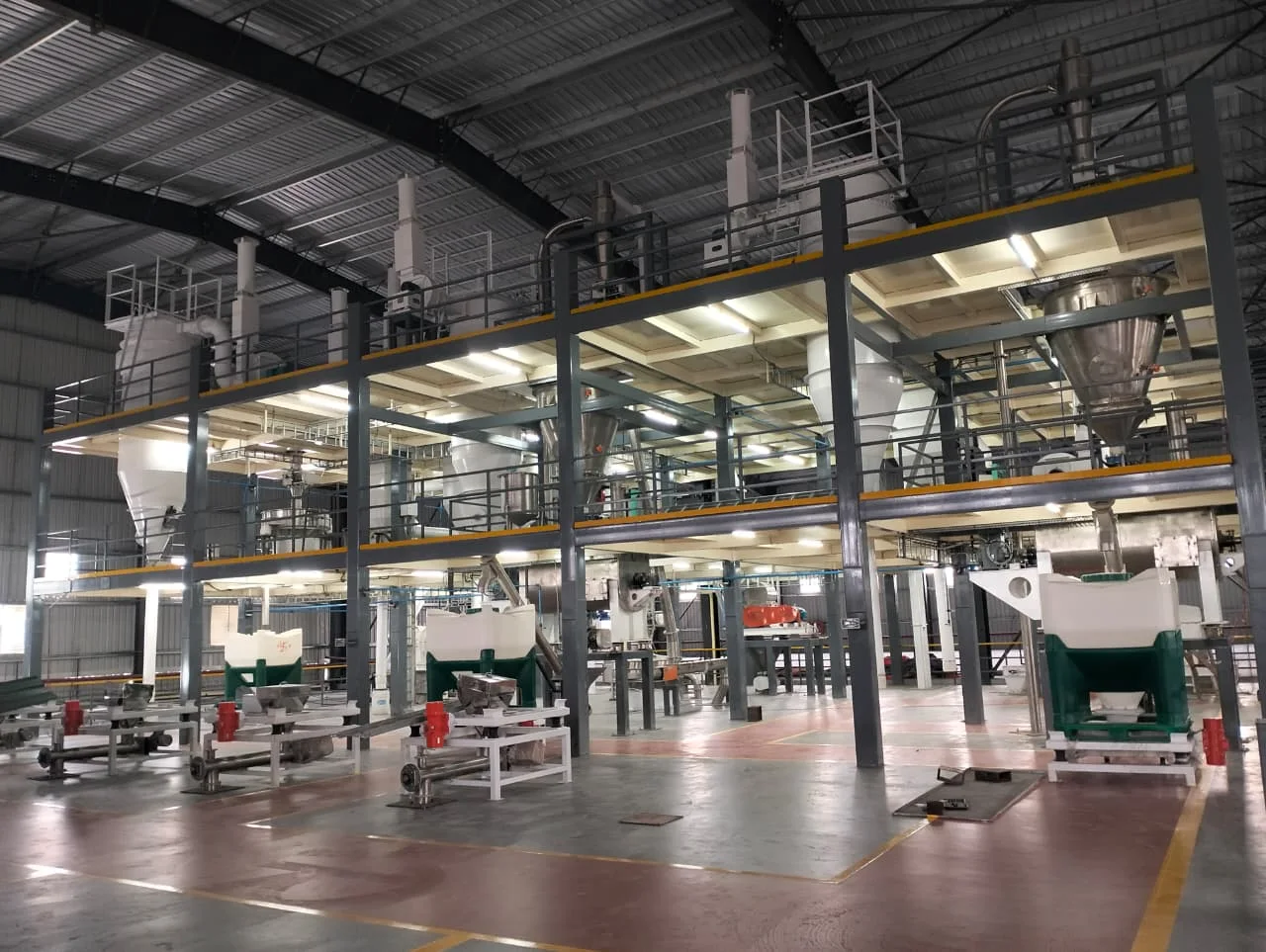
A plant can have the right machines and still be unable to run them at full output, because the boiler, the compressor or the chiller was sized by rule of thumb. Utilities deserve the same engineering as the process — and they should be designed from it.
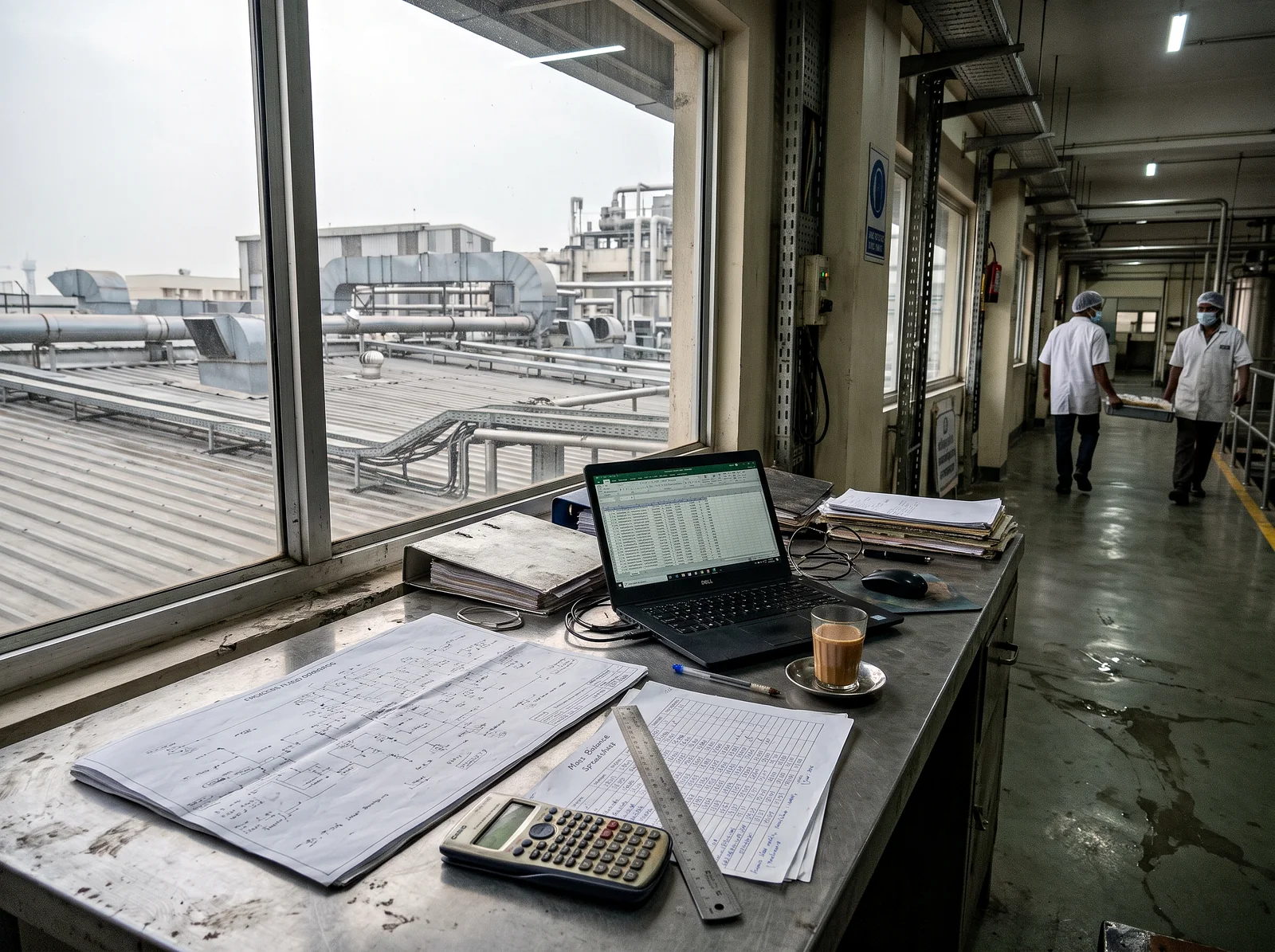
Start with a load schedule
List every consumer of every utility: each machine, each cleaning system, each cold room. For each one, record the demand, the operating hours and when it runs. This schedule is the foundation of every sizing decision that follows.
Diversity and peaks
Not everything runs at once. Applying realistic diversity — based on how the shifts and batches actually run — avoids oversizing. At the same time, the peak, such as several kettles heating together or a cleaning cycle starting, must still be covered.
Utility by utility
Steam
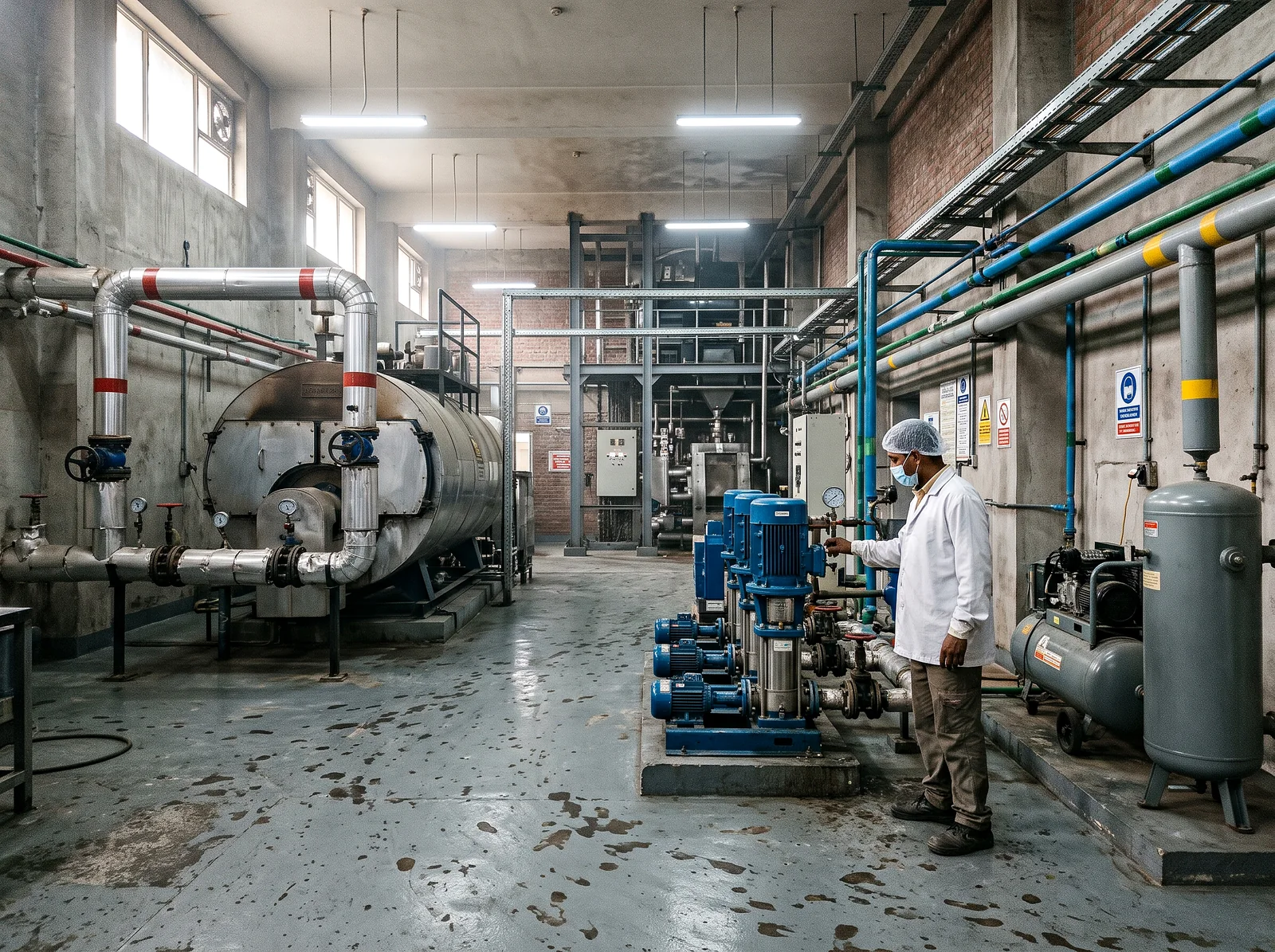
Sized from process heating and cleaning loads. Returning condensate to the boiler saves water, treatment chemicals and fuel.
Water
Process, cleaning, cooling and domestic uses each need their own quality and quantity. Treatment and storage follow from that split.
Compressed air
Where air touches product or packaging, it needs to be oil-free, dried and filtered to suit. Leak losses should be allowed for, then designed out.
Refrigeration
Cold room loads come from the product brought in warm, door openings, lighting, people and the building itself — not only from the room's size.
Effluent and power
The effluent plant is sized from the water the plant uses. Power demand is built from the connected load with realistic usage, not the sum of every motor.
Leave room to grow
Plants add lines. A plant room laid out with space and connection points for additional equipment makes that expansion a weekend's work rather than a rebuild.