Most food processing projects meet their first serious reader in the form of a detailed project report. A lender, a government scheme or a board will read it to decide whether the plant gets built. Many reports fail that reading — not because the idea is weak, but because the chapters do not hold together.
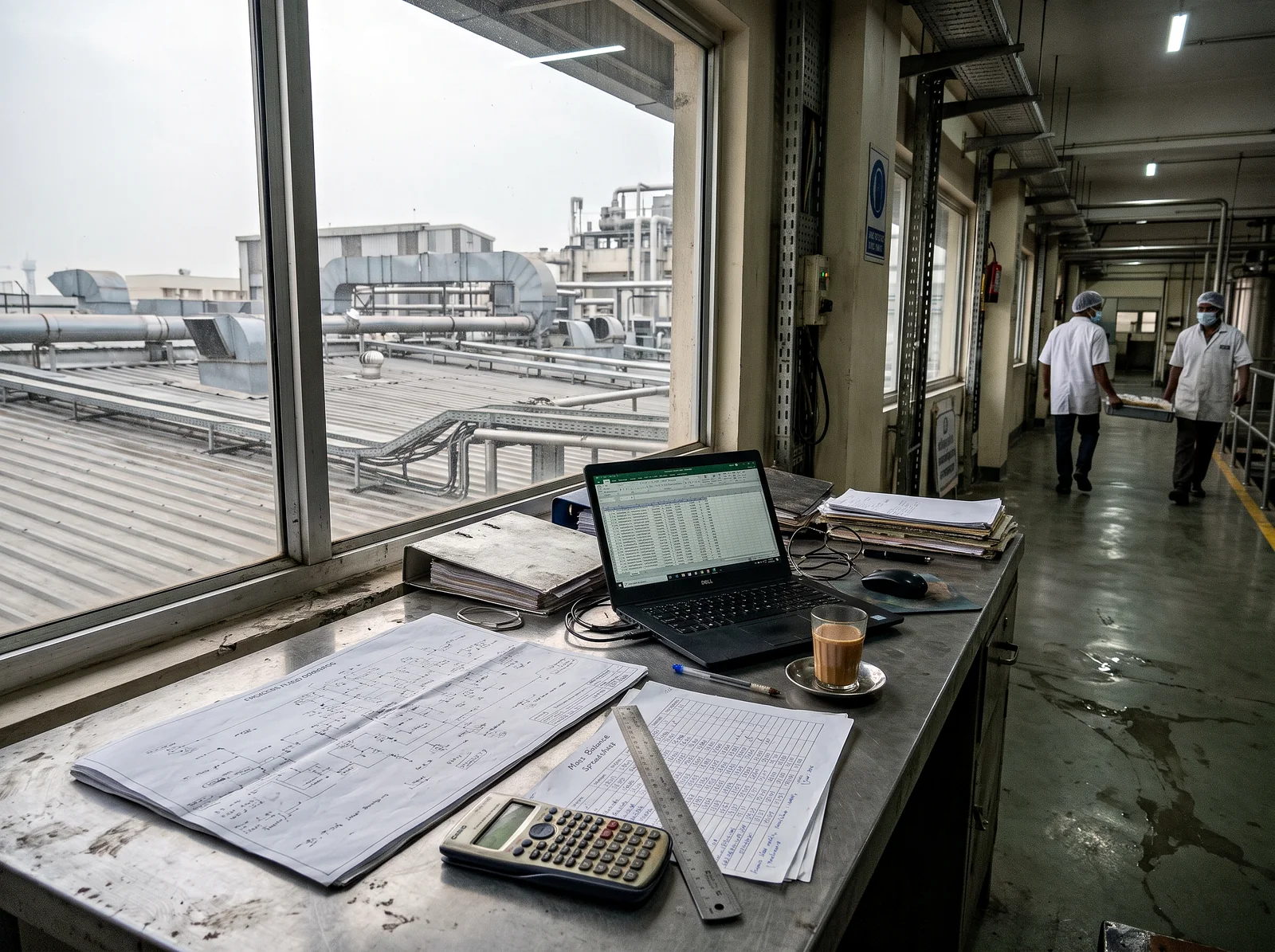
A bankable DPR is one where every number can be traced back to something real: a market figure to a study, a machine cost to a quotation, a production figure to a line that can actually run at that rate.
Read it the way a lender reads it
A credit appraiser is not judging the product. They are judging whether the plant will generate enough cash, reliably, to repay the loan — and what happens if things go worse than planned. Every chapter of the report feeds that single question.
The seven questions
1. Who is building it, and is it allowed?
Promoter background, ownership, land title and the approvals already in hand. Gaps here stop a file before anyone reads the numbers.
2. Can the output be sold?
A market chapter should end in a volume and a price the plant can realistically achieve in its catchment, not in a national market size.
3. Can the plant be fed all year?
For seasonal crops, the raw material plan decides how many days the plant really runs. That number should flow straight into the capacity utilisation used in the financials.
4. Will the technology deliver the rated output?
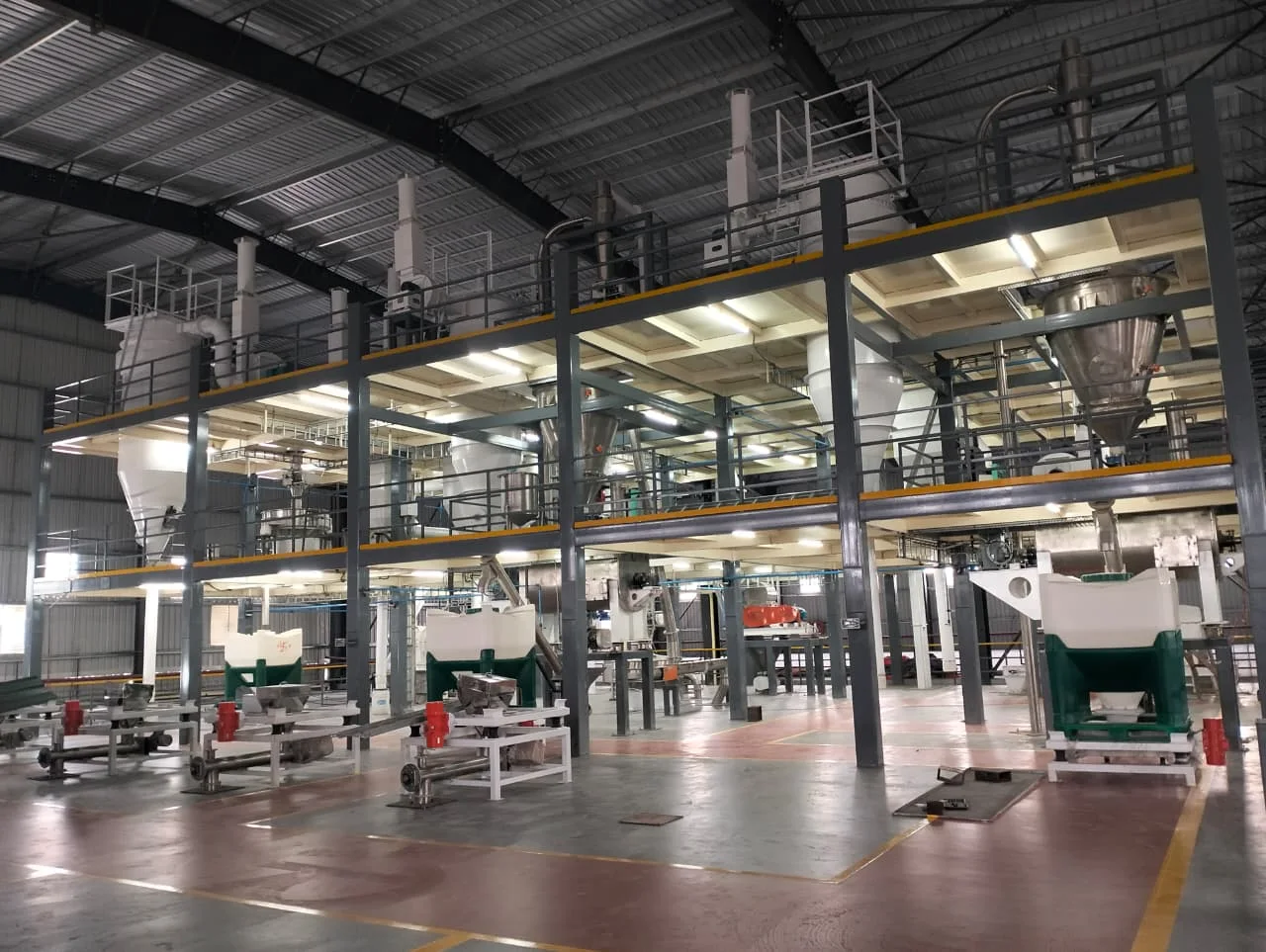
Capacity is set by the slowest machine on the line. A report that adds up machine capacities without balancing the line overstates production — and revenue.
5. Is the cost estimate complete?
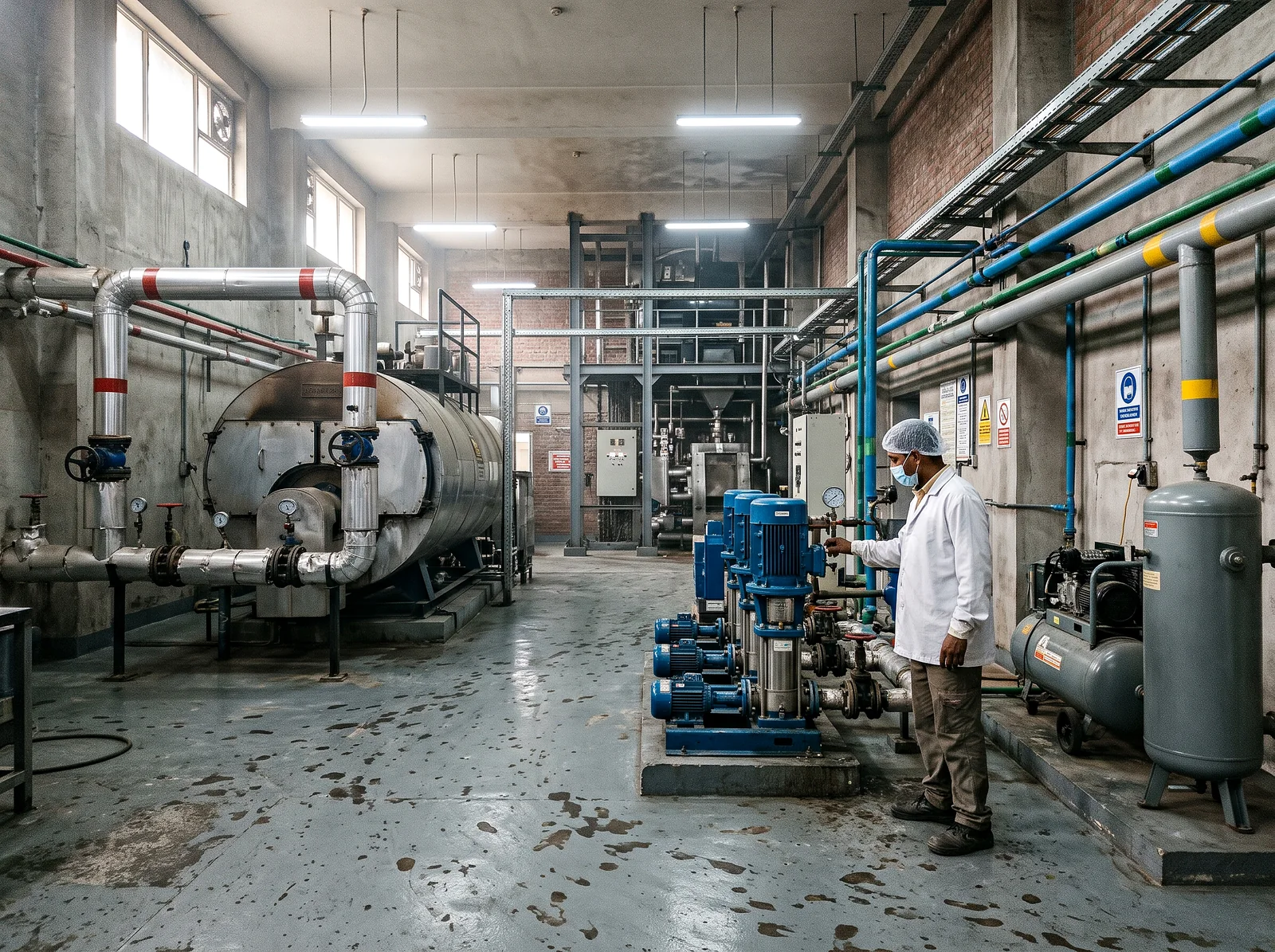
Buildings, utilities, installation, pre-operative expenses and contingency are where estimates are most often light. Missing items appear later as cost overruns.
6. Is the funding tied up?
The means of finance should close exactly: term loan, promoter contribution and any support, with working capital margin included.
7. Can it repay under stress?
Debt service coverage, break-even and sensitivity to price, raw material cost and capacity utilisation show whether the project survives a bad year.
Where reports usually go wrong
- Capacity taken from brochures rather than from a balanced line.
- Utilities and buildings estimated last, as a percentage, instead of from a layout.
- Utilisation that ramps up too fast for the raw material and the market.
- No sensitivity, so the reader cannot see the downside.
How we approach it
We build the report from the engineering outwards: product and process first, then the line, the layout and the utilities, and only then the cost and the financial model. That order is what makes the numbers defensible when someone asks where they came from.